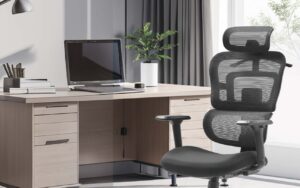
Ergonomic Design – Explained Simply
Ergonomic design is the process of designing products, systems, or environments to fit the people who use them. The goal is to improve comfort, efficiency, safety, and productivity, especially during prolonged use.
🔍 Key Principles of Ergonomic Design
- User-Centric
Design focuses on the needs, posture, and movements of the human body. - Neutral Body Position
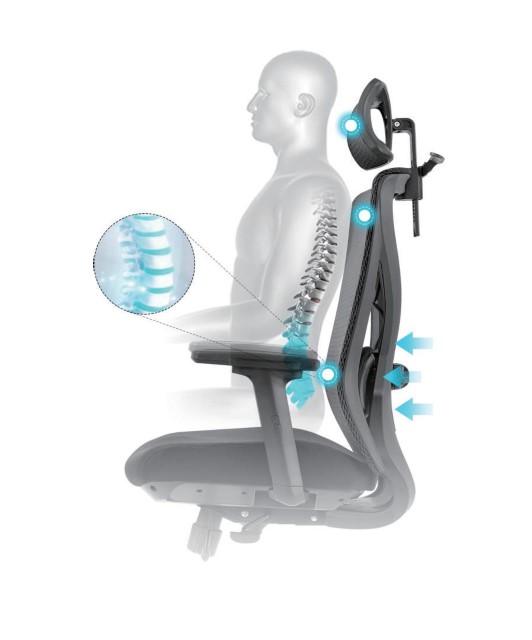
Supports the body’s natural alignment to reduce strain (e.g., straight wrists, relaxed shoulders, back support). - Adjustability
Items like chairs or desks should adjust to fit various body sizes and work styles. - Reduce Repetition & Strain
Design aims to minimize repetitive motions and awkward postures (e.g., a keyboard tray at the right height). - Accessibility & Reach
Frequently used items should be within easy reach to reduce unnecessary stretching or twisting.
✅ Examples of Ergonomic Products
| Product | Ergonomic Feature |
|---|---|
| Chair | Adjustable seat height, lumbar support, armrests |
| Desk | Adjustable height for standing or sitting |
| Keyboard | Split or curved layout to reduce wrist strain |
| Mouse | Contoured shape for natural hand position |
| Monitor Stand | Elevates screen to eye level |
💡 Benefits of Ergonomic Design
- Reduces risk of injury (e.g., back pain, carpal tunnel)
- Increases comfort and productivity
- Improves concentration and work satisfaction
- Supports better posture and blood circulation
If you’re choosing ergonomic furniture or setting up a workspace, I’d be happy to guide you with specific recommendations.