Choosing the right chair for studying is essential for comfort, posture, and long-term health. Here’s a step-by-step guide to help you choose the best Office chair:
✅ 1. Ergonomic Design
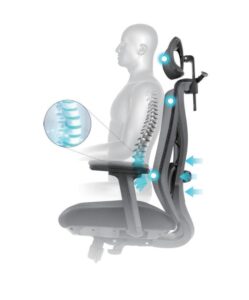
- Lumbar Support: Look for a chair with good lower back (lumbar) support to maintain the spine’s natural curve.
- Backrest: A slightly reclining backrest (90–110° angle) reduces pressure on the spine.
- Adjustable Features: The best chairs allow you to adjust height, tilt, and armrests.
✅ 2. Seat Comfort
- Padding: Choose a chair with firm, breathable cushioning — not too soft or too hard.
- Seat Size: Ensure the seat is wide and deep enough to sit comfortably.
- Edge Design: A waterfall-edge seat (sloped downward) improves blood flow in your legs.
✅ 3. Height Adjustability
- Your feet should rest flat on the floor, and knees should be at a 90° angle.
- Ensure the chair’s height can be adjusted to suit your desk height (generally 28–30 inches for standard desks).
✅ 4. Armrests (Optional but Helpful)
- Helps reduce strain on shoulders and wrists during long study sessions.
- Prefer adjustable armrests that support your arms while keeping your shoulders relaxed.
✅ 5. Mobility and Swivel (Optional)
- Chairs with wheels and swivel features are helpful if you often move between desk areas.
- Choose smooth-rolling wheels suited for your floor type (carpet or hard surface).
✅ 6. Material & Breathability
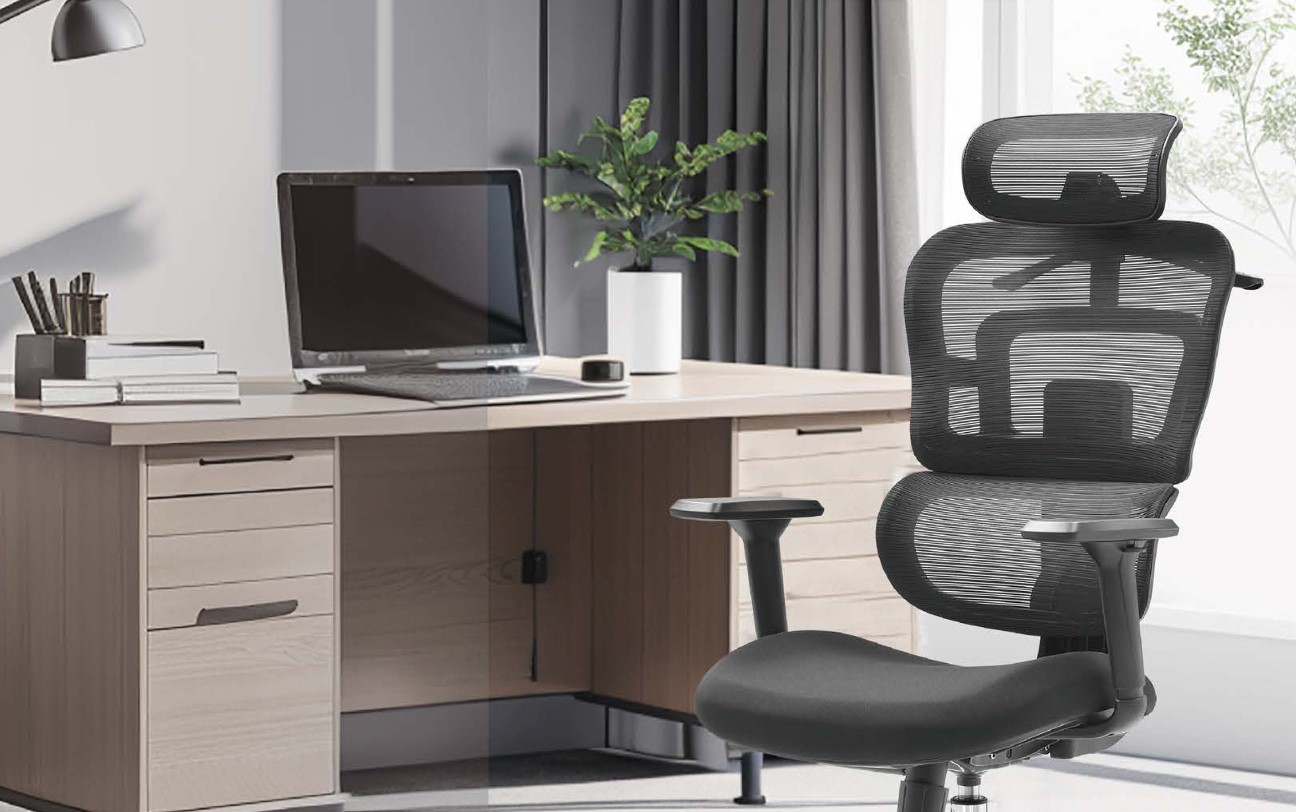
- Mesh backrests offer better airflow, keeping you cool.
- Leather or fabric seats are more cushioned but can retain heat.
✅ 7. Aesthetics & Size
- Consider the room size and how the chair fits with your desk and study environment.
- Choose a color and design that motivates you or matches your decor.